Crimson Queen Japanese Maple
Grow the weeping maple prized for lacy crimson leaves
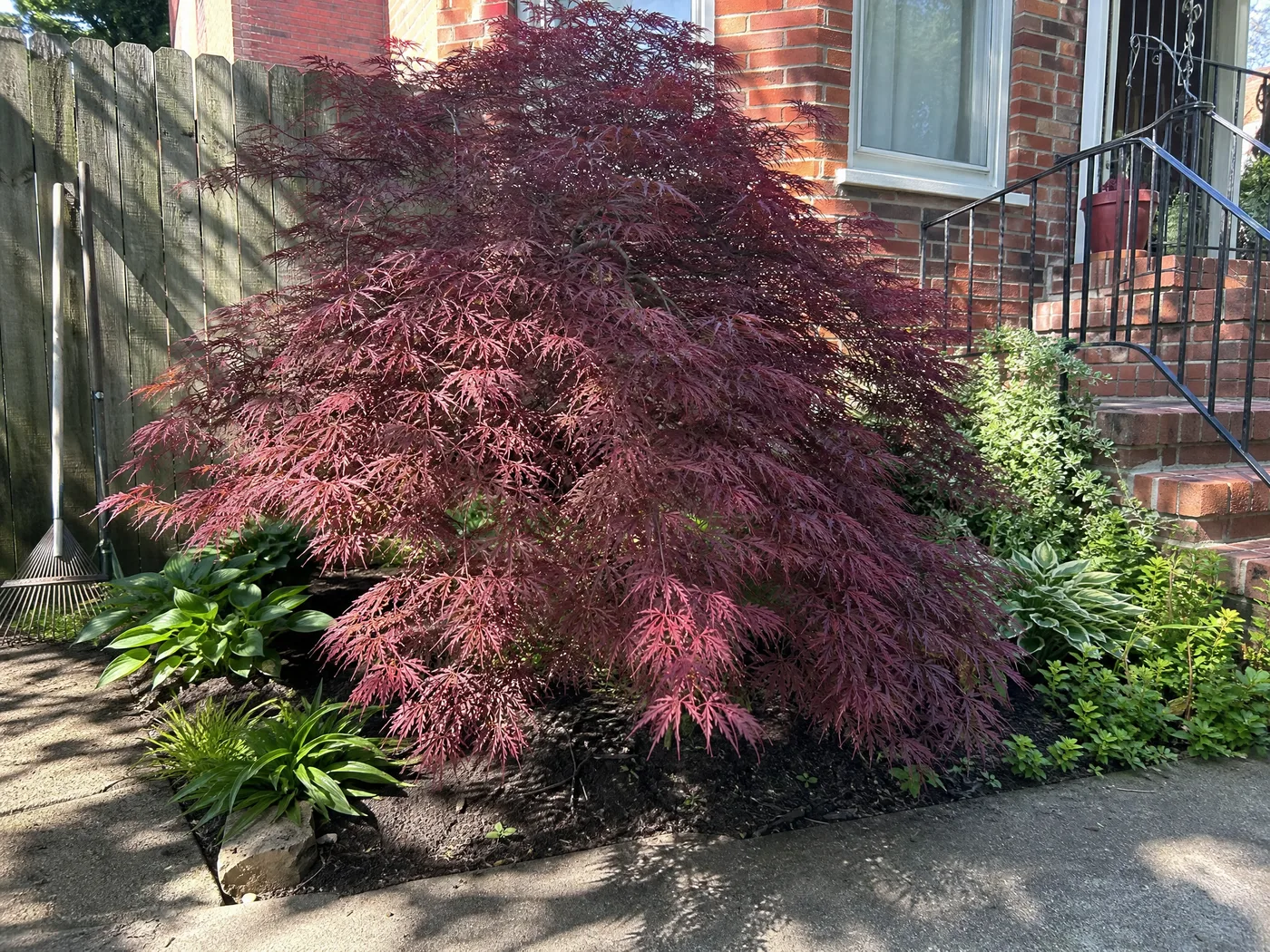
About Crimson Queen Japanese Maple
Crimson Queen is a weeping Japanese maple treasured for lacy red-purple foliage that holds color through summer and blazes brilliant scarlet in fall. This slow-growing cascading form reaches 8-10 feet over many years, making it perfect as a focal point or container specimen. Gardeners love its delicate form for Japanese-inspired gardens, poolside plantings, and smaller foundation landscapes.
This guide walks you through everything needed to grow Crimson Queen successfully. Learn how to plant it right and find the ideal location, water it consistently without oversaturation, position it to catch the right sun and avoid leaf scorch, and handle common issues like verticillium wilt. We also help you select healthy trees and find ways to use this beautiful maple in your garden design.
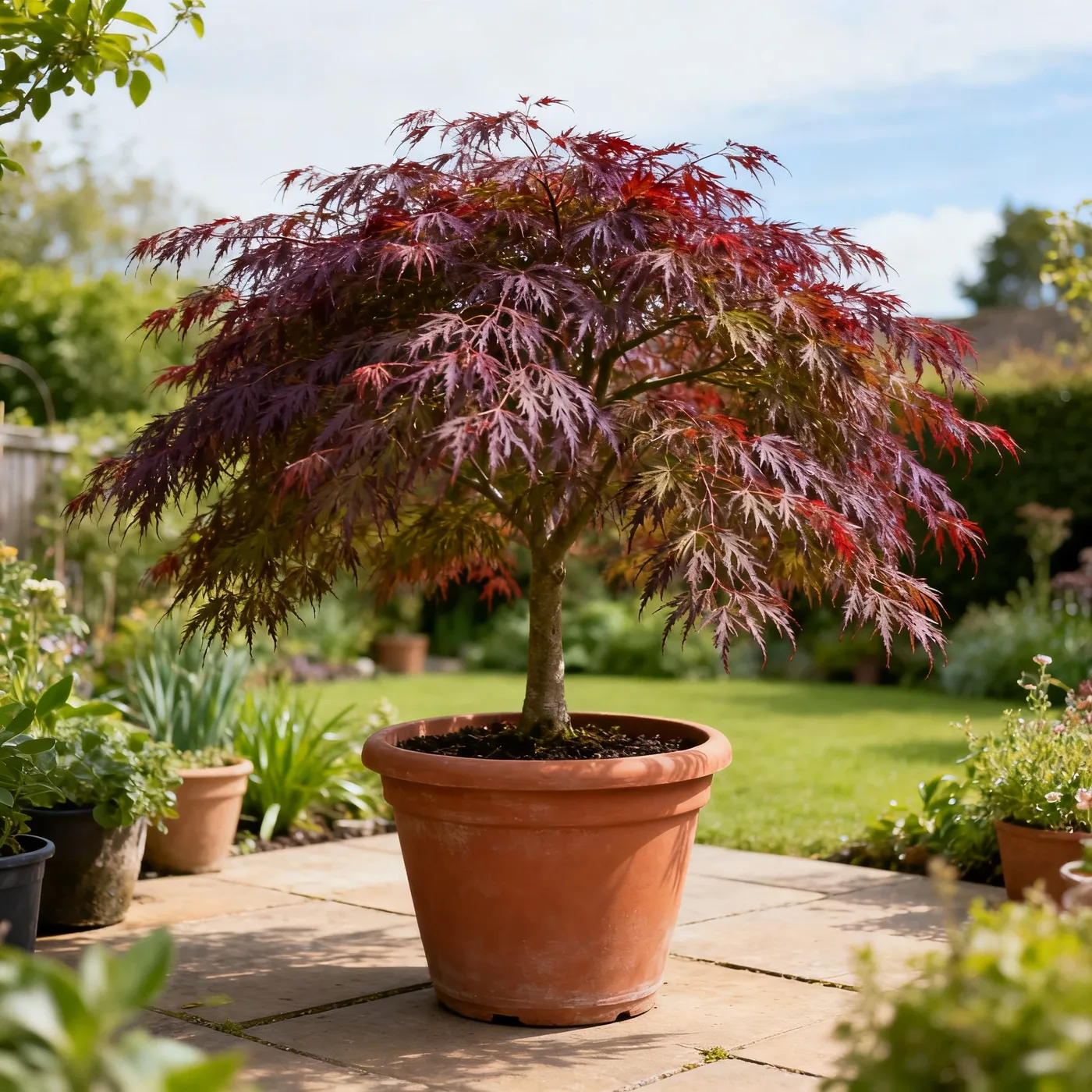
Buy Crimson Queen Japanese Maple
Nursery-grown plants shipped in their container, with our planting and care guides to go with them.
From $59.97
Sizes: 1 Gallon
Shop Crimson Queen Japanese MapleQuick facts
- USDA zones
- 5-8, some growers list to 9 with afternoon shade
- Mature height
- 8-10 ft over 15-20 years
- Mature width
- 10-12 ft (typically wider than tall due to weeping habit)
- Sun
- full sun to partial shade; benefits from afternoon shade in hot-summer climates to prevent
- Water
- regular, consistent moisture; not drought tolerant once dry spells extend, avoid soggy soi
- Bloom time
- spring, April-May
- Bloom color
- small reddish-purple flowers, not ornamentally significant
- Growth rate
- slow, roughly 6-12 inches per year
- Deer resistance
- rated moderately resistant, though not deer-proof; browsing varies by region and deer pres
- Plant type
- deciduous shrub/small tree (weeping, laceleaf form)
- A weeping, cascading form of Japanese maple prized for lacy red-purple foliage
- Grows slowly, about 6-12 inches per year, reaching roughly 8-10 ft tall and wider than tall
- Hardy in USDA zones 5-8, benefits from afternoon shade in hotter climates
- Holds red-purple leaf color through summer better than many other red Japanese maples
- Turns brilliant crimson in fall before leaf drop
- Propagated by grafting, not from seed
- Low-maintenance once established but sensitive to leaf scorch in wind/hot sun and to verticillium wilt in poorly drained soil
Growing guides
 Core guide
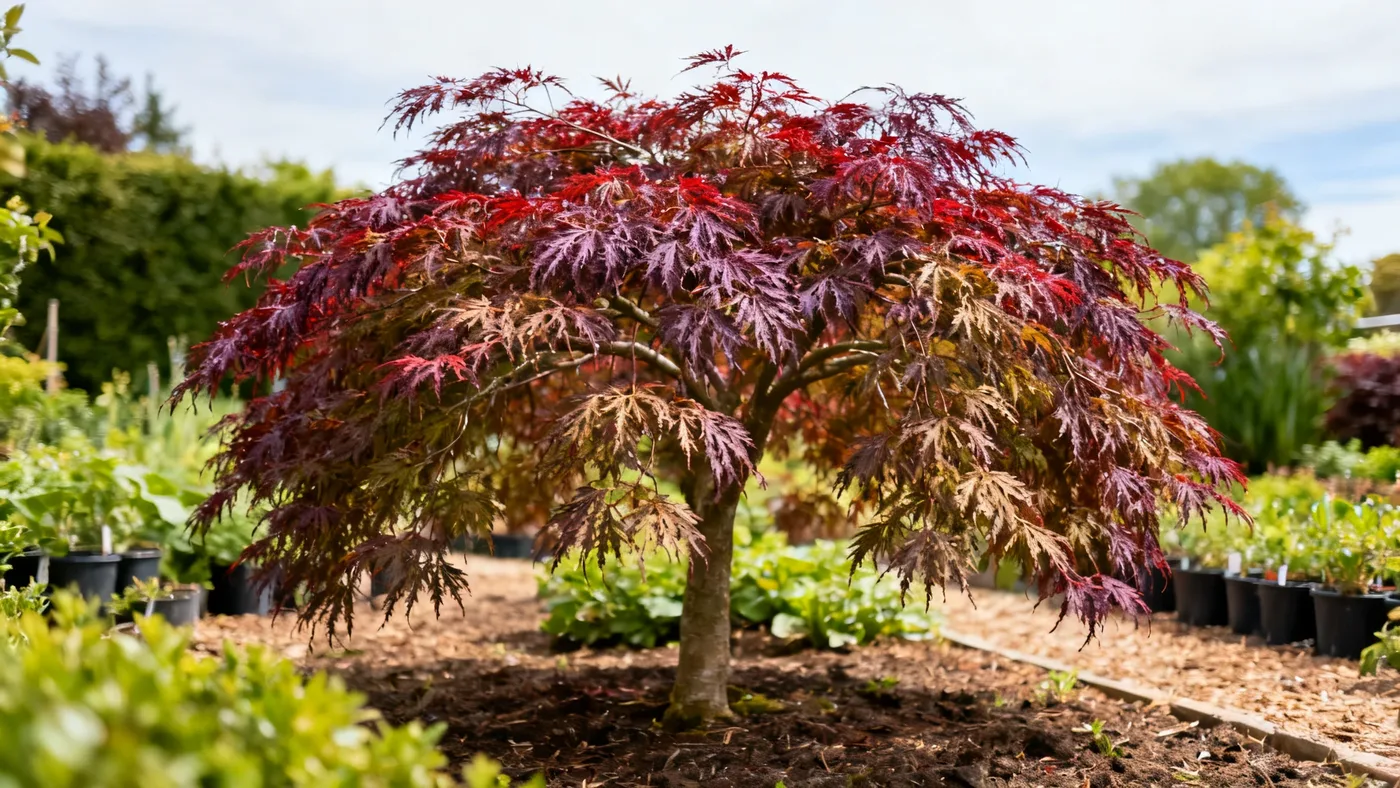
Crimson Queen Japanese Maple Care: The Complete Growing Guide
Grow stunning Crimson Queen Japanese Maple with our complete care guide. Learn planting, watering, pruning, and zone info for laceleaf maple
 Core guide
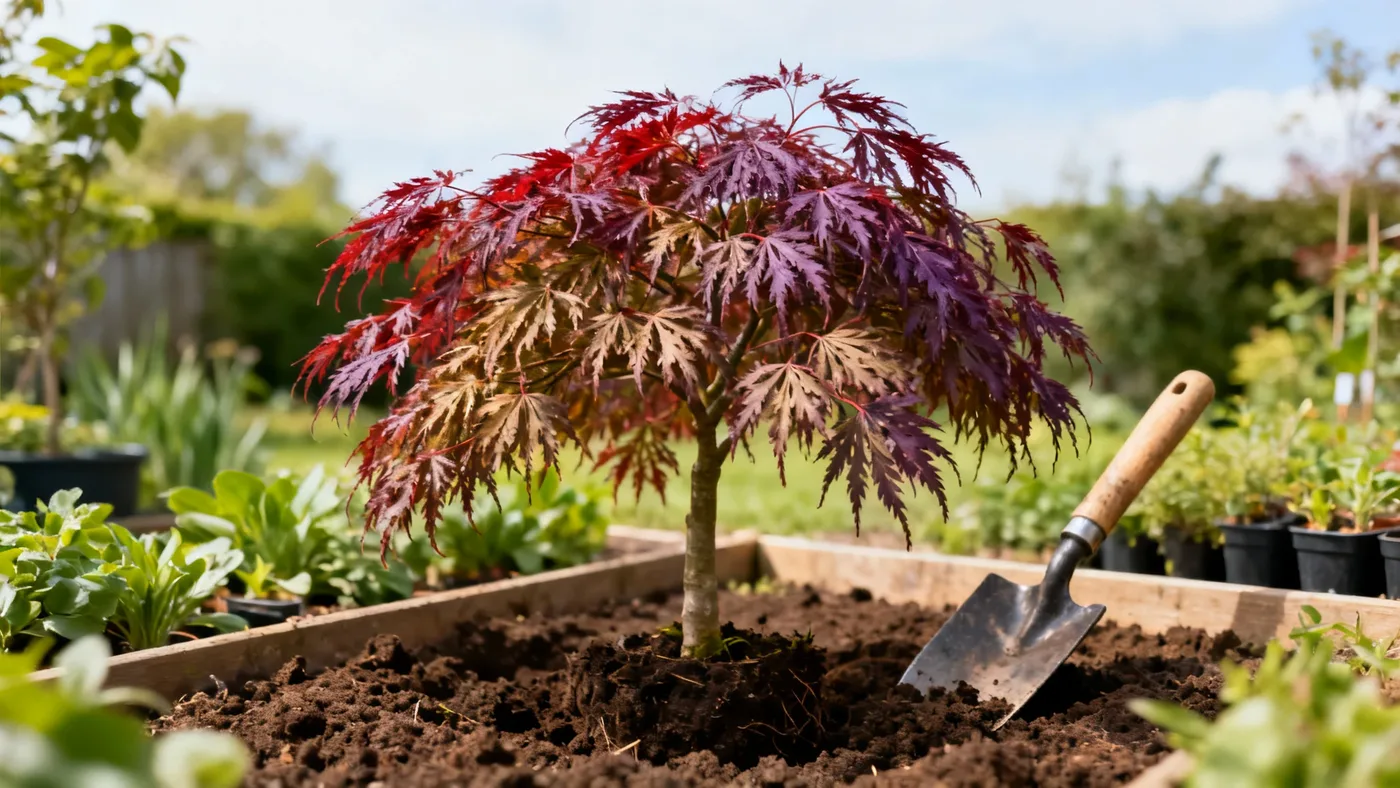
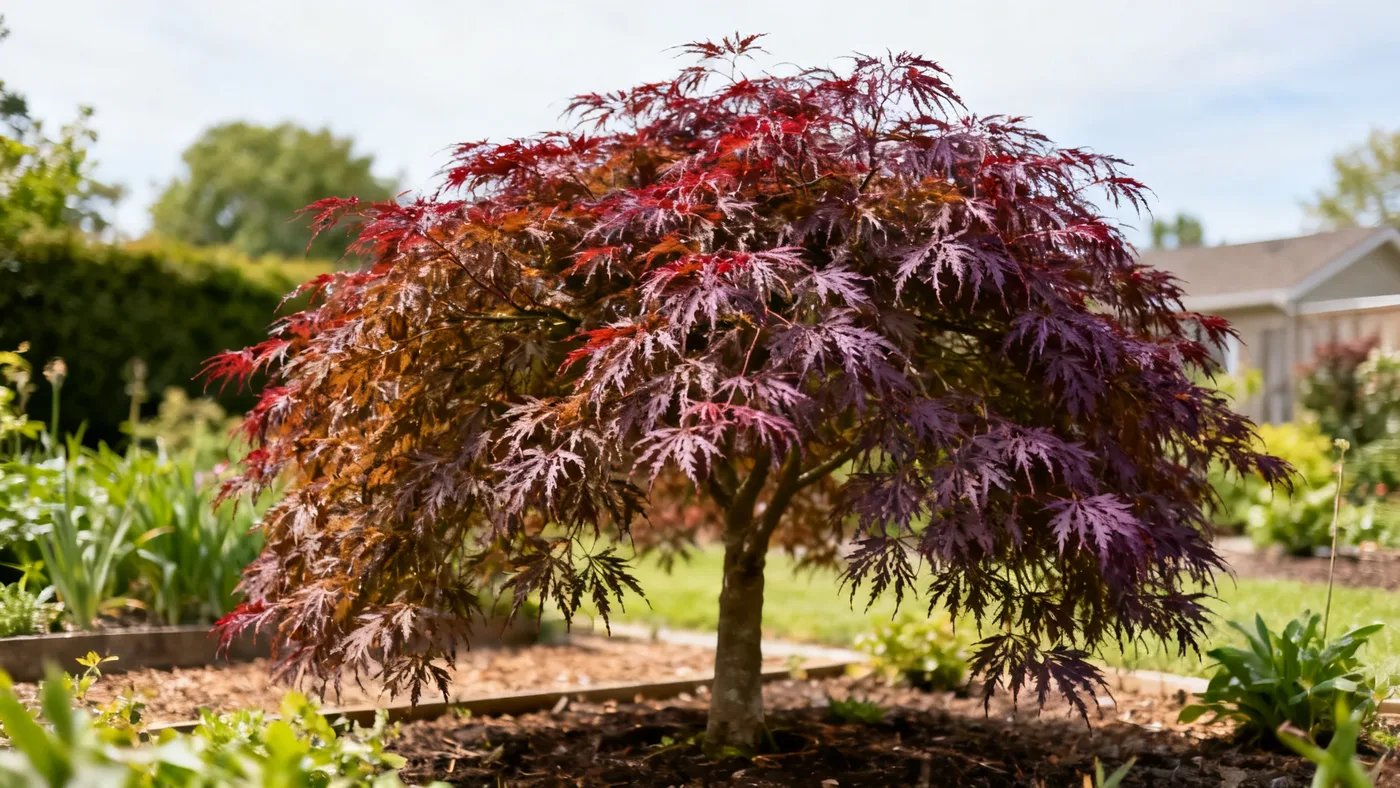
How to Plant a Crimson Queen Japanese Maple the Right Way
Learn how to plant a Crimson Queen Japanese Maple with step-by-step instructions, site selection tips, and care essentials for success.
 Core guide
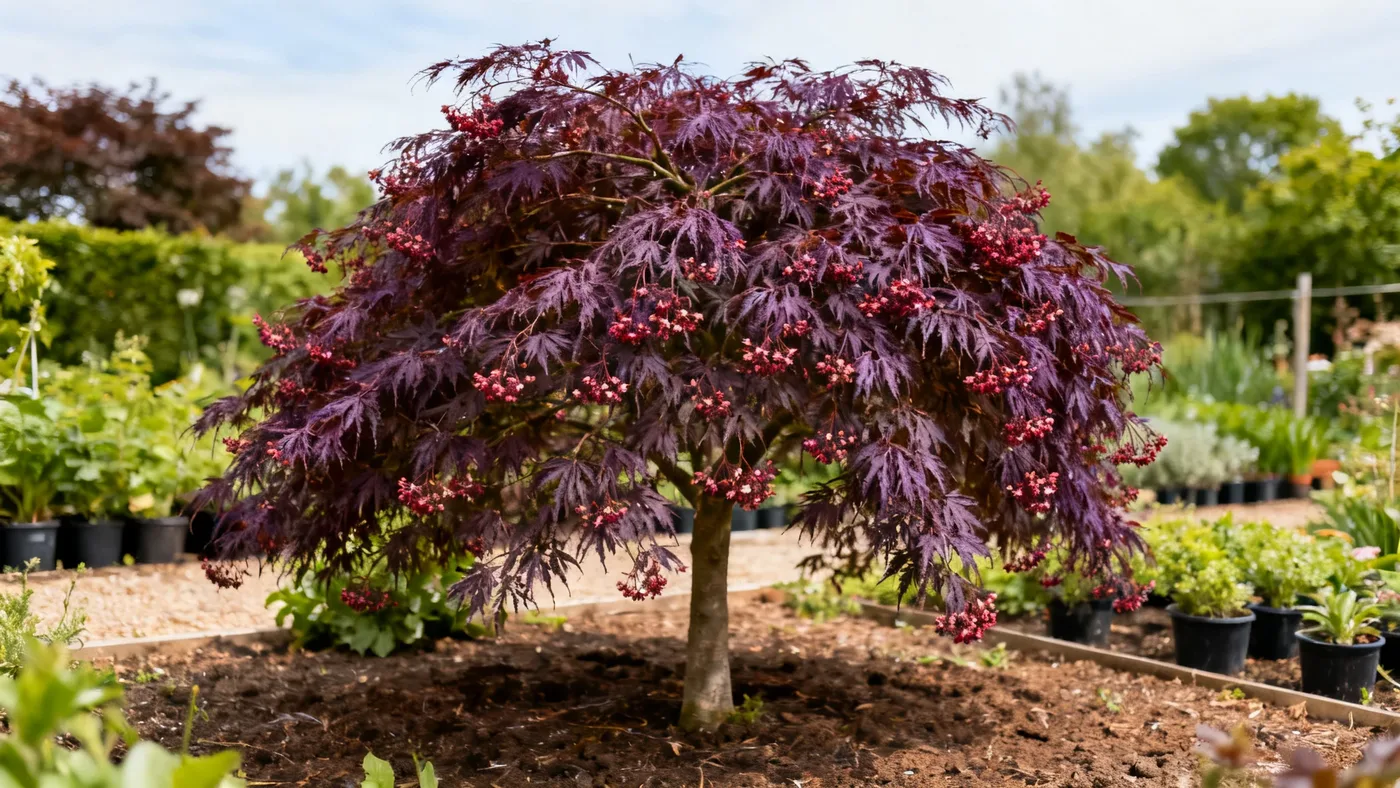
Pruning a Crimson Queen Japanese Maple Without Ruining the Shape
Learn how to prune Crimson Queen Japanese Maple to maintain its graceful weeping shape. Step-by-step pruning tips, timing, and techniques fo
 Plant specific
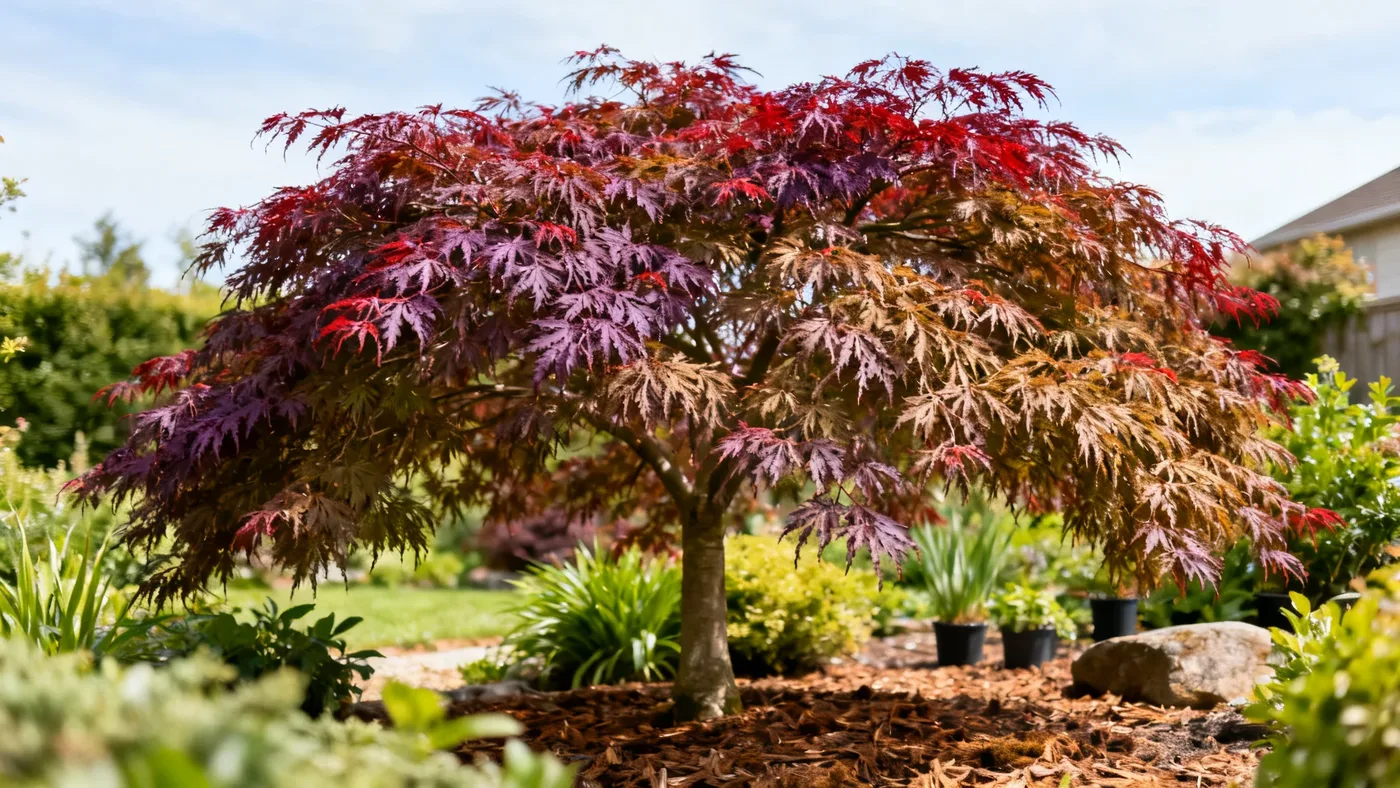
Crimson Queen Japanese Maple Fall Color: What to Expect and When
Discover what to expect from Crimson Queen Japanese Maple fall color. Learn timing, color progression, and care tips for brilliant crimson f
 Core guide
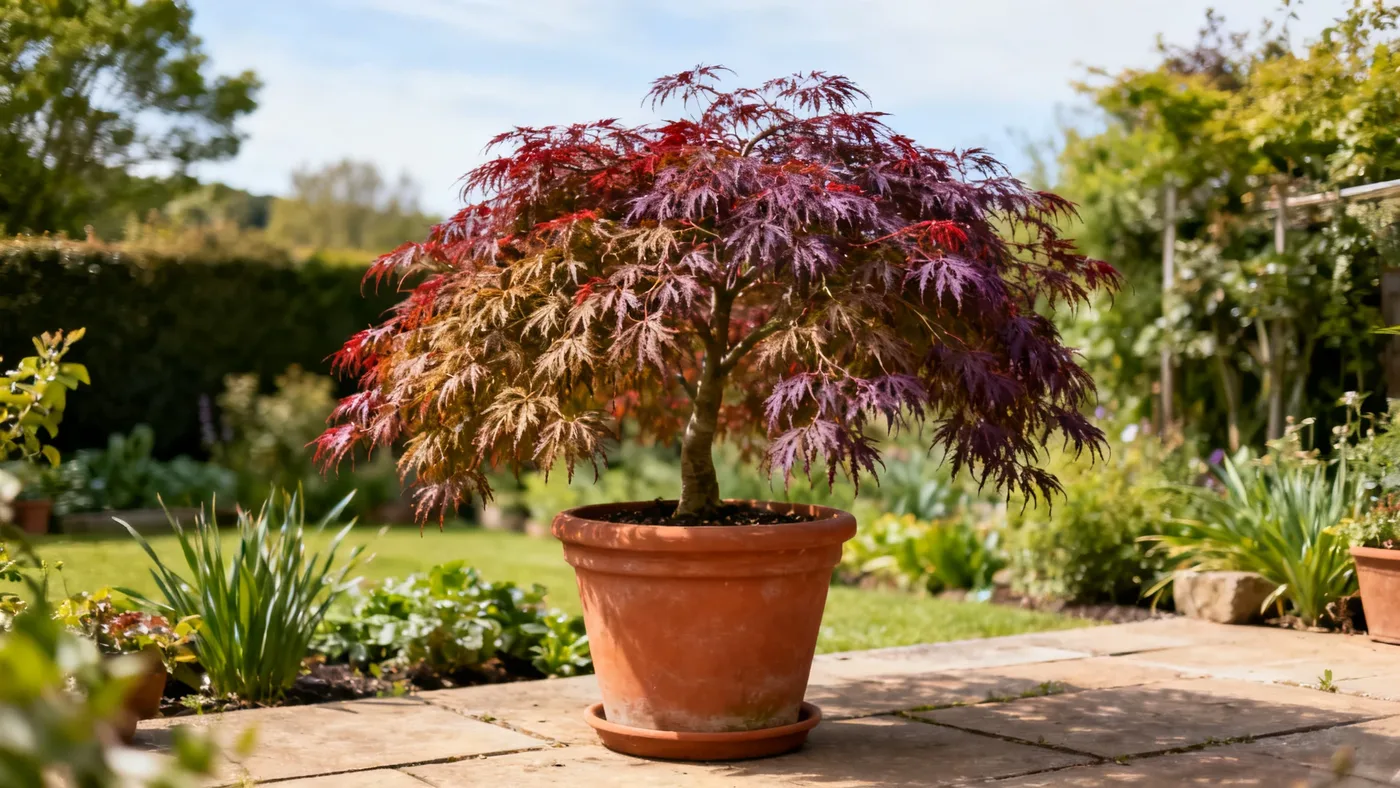
How Big Does a Crimson Queen Japanese Maple Get?
How big does Crimson Queen Japanese Maple get? Learn mature size, growth rate, spacing, and timeline.
 Core guide
Buying Crimson Queen Japanese Maple: Pot Sizes and What to Look For
Buying guide for Crimson Queen Japanese Maple: pot sizes, container options, quality indicators, prices, and where to find nursery-grown pla
 Core guide
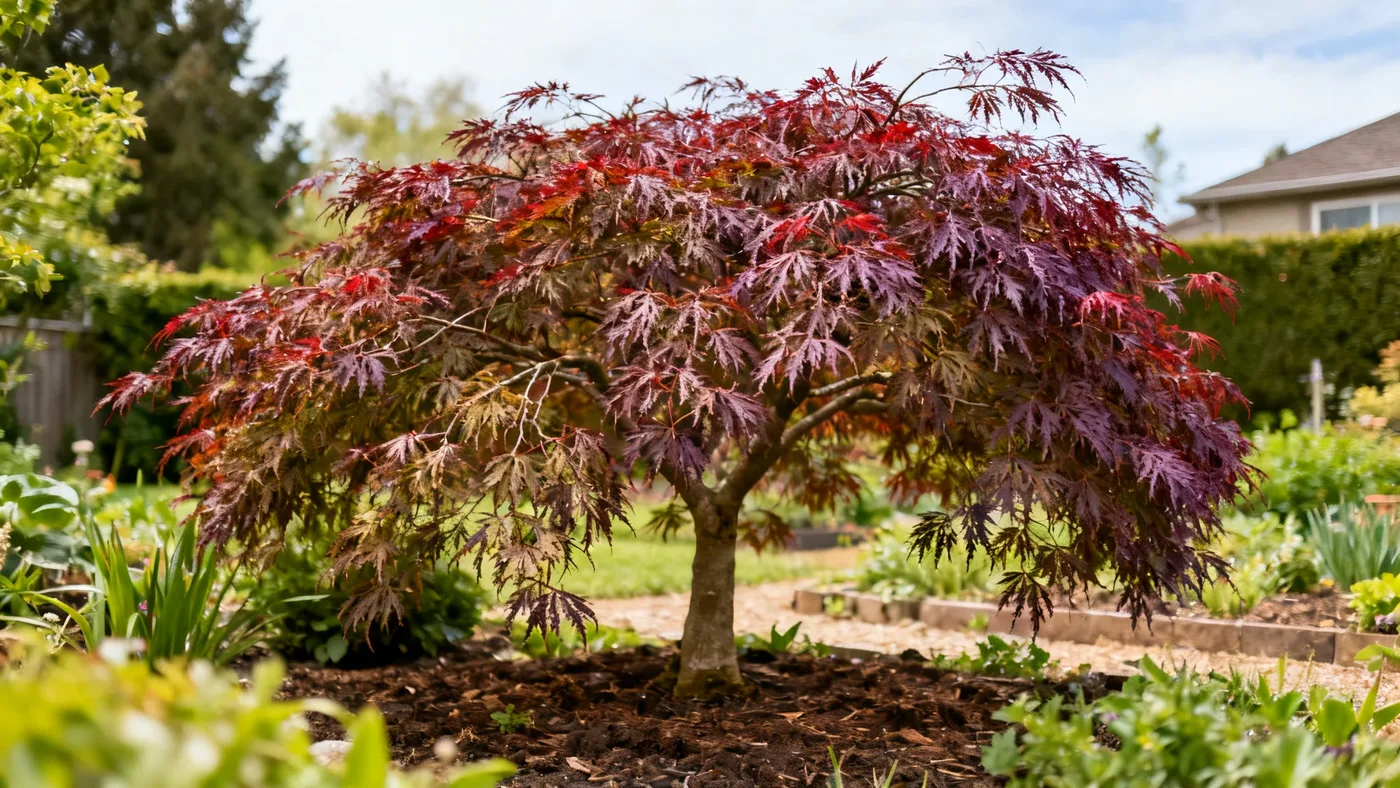
Sun or Shade? Light Needs for Crimson Queen Japanese Maple
Learn how much sun Crimson Queen Japanese Maple needs. Light requirements, afternoon shade benefits, and tips for preventing leaf scorch in
 Core guide
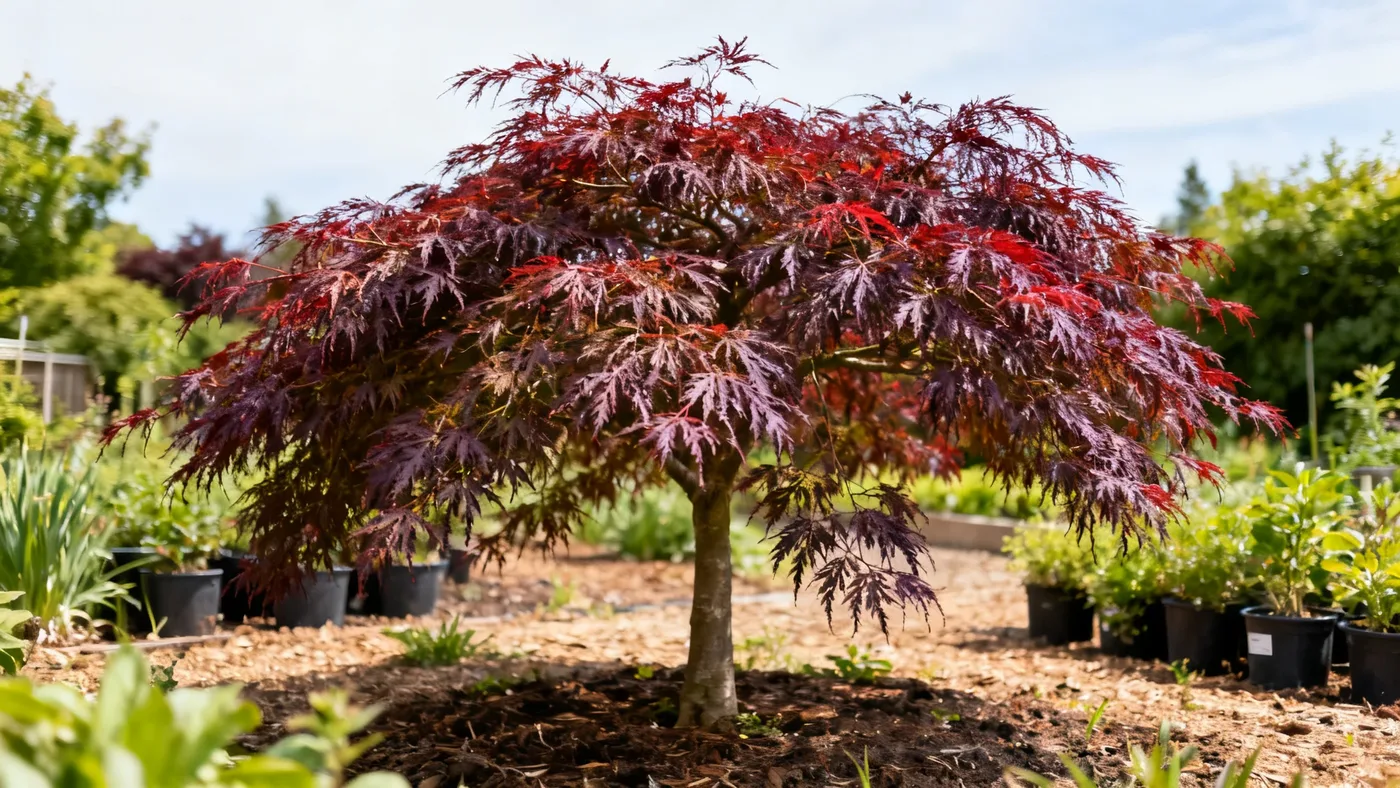
Watering Crimson Queen Japanese Maple: A Season-by-Season Guide
Master watering Crimson Queen Japanese Maple with a seasonal guide. Learn proper timing, soil moisture, and how to prevent drought stress an
 Core guide
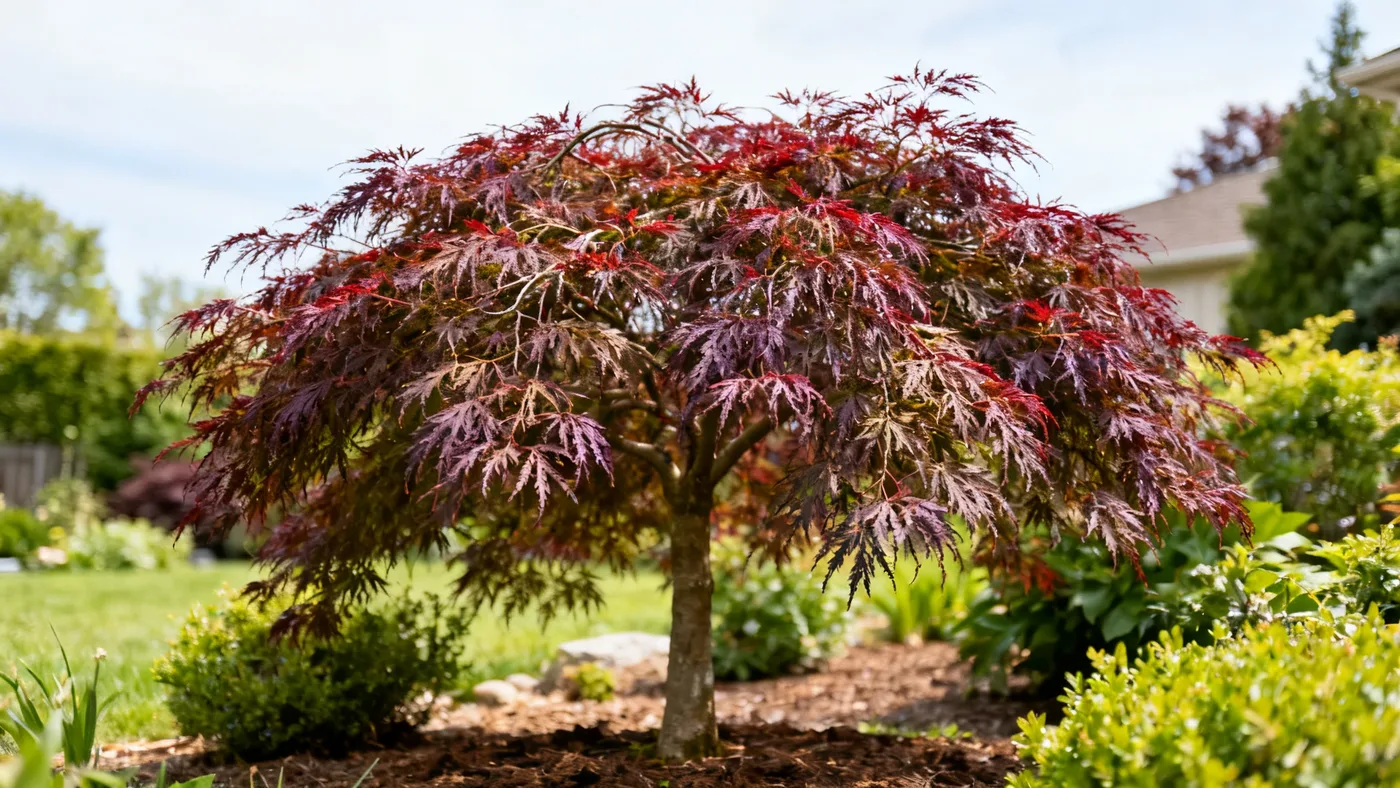
Best Soil for Crimson Queen Japanese Maple: pH and Drainage
Learn the best soil mix for Crimson Queen Japanese Maple: pH levels, drainage needs, and step-by-step amendment instructions for healthy gro
 Core guide
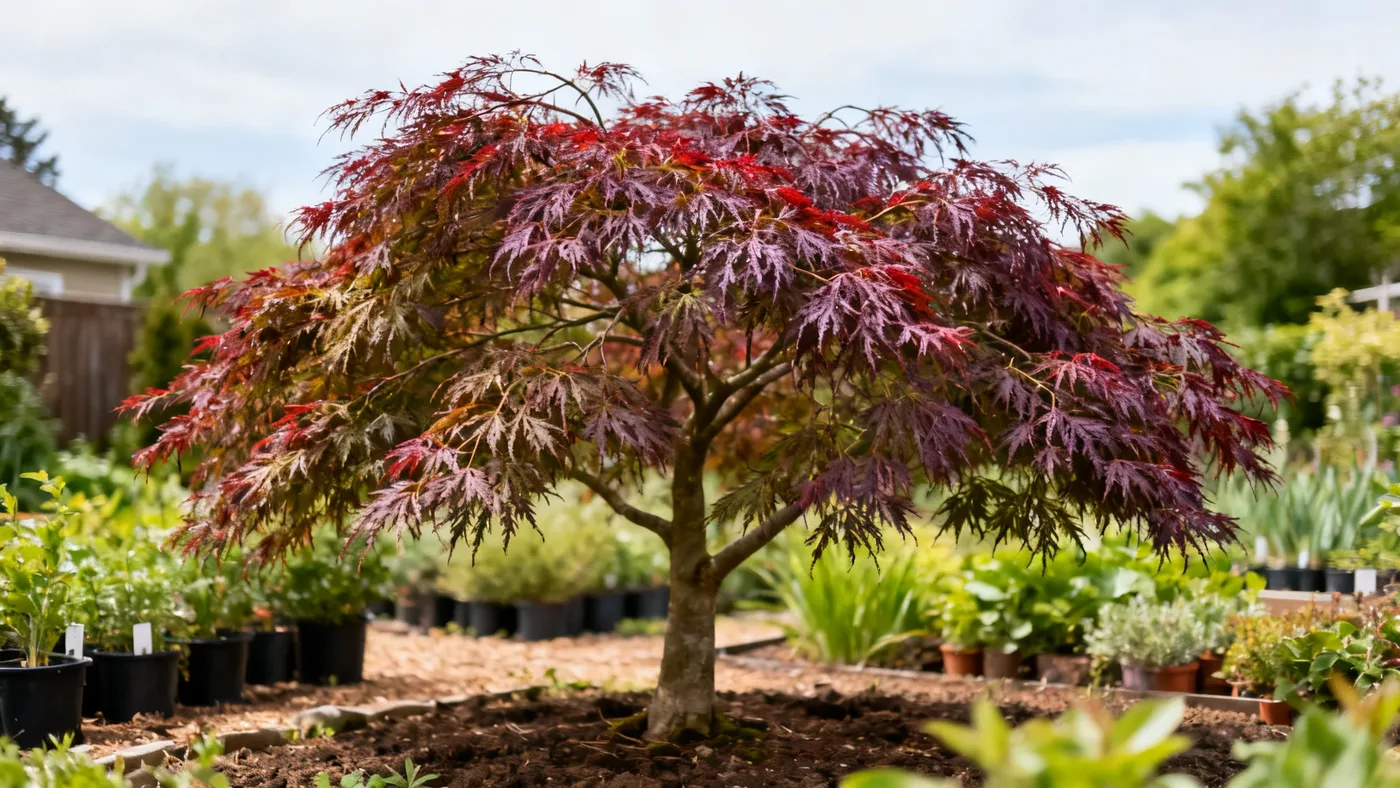
Crimson Queen Japanese Maple Hardiness Zones Explained
Crimson Queen Japanese Maple thrives in USDA zones 5-8, with zone 9 possible with afternoon shade. Learn cold hardiness, heat tolerance, and
 Plant specific
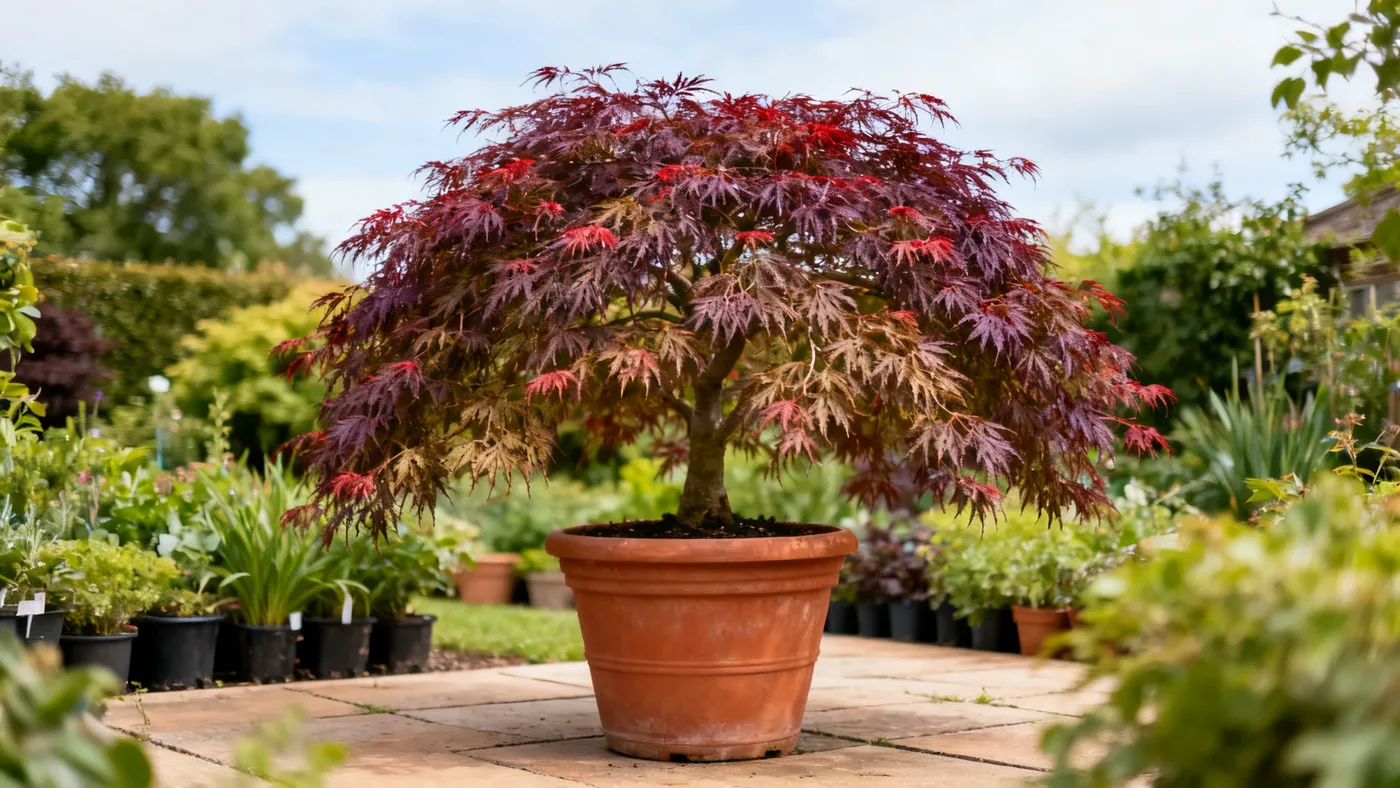
Growing Crimson Queen Japanese Maple in a Container or Pot
Growing Crimson Queen Japanese Maple in containers: learn pot size, soil prep, watering, and care tips for beautiful potted Japanese maples.
 Plant specific
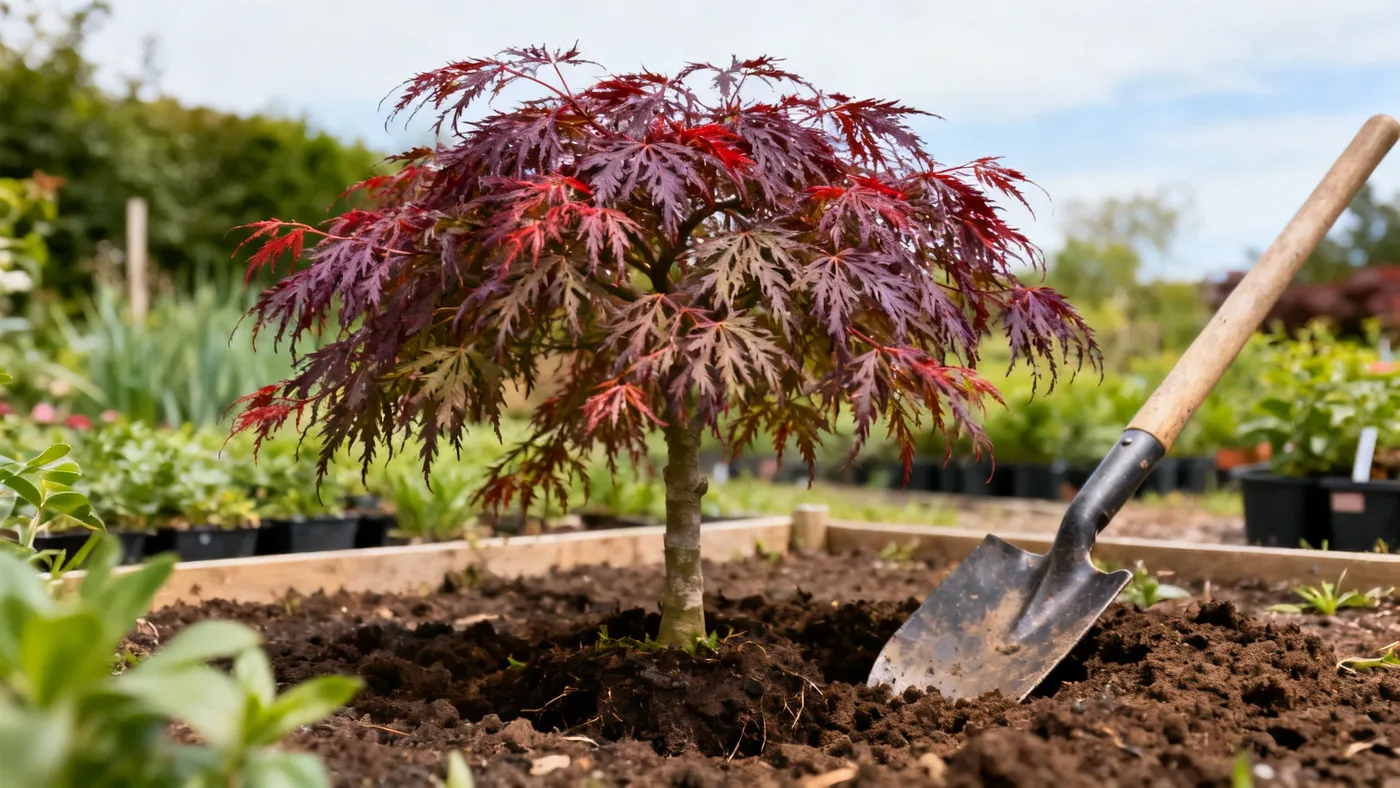
Crimson Queen vs Tamukeyama Japanese Maple: Which Should You Plant?
Crimson Queen vs Tamukeyama Japanese Maple: side-by-side comparison of the two most popular weeping red laceleaf varieties. Which one suits
Crimson Queen Japanese Maple questions
Does Crimson Queen Japanese Maple need full sun?
It tolerates full sun in cooler climates but generally does best with morning sun and afternoon shade, especially in zones 7-8, to prevent leaf scorch.
How fast does it grow?
It's a slow grower, typically adding about 6-12 inches per year, taking a decade or more to approach its mature size.
Can it be grown in a container?
Yes, it's a popular container and patio specimen, though container plants need well-drained potting mix and some root protection in colder winters.
Why are the leaves turning brown at the edges?
This is usually leaf scorch from too much direct sun, wind, or inconsistent watering rather than a disease; providing afternoon shade and steady moisture typically resolves it.
Is it toxic to pets?
Japanese maples, including this cultivar, are not known to be toxic to dogs, cats, or people.